
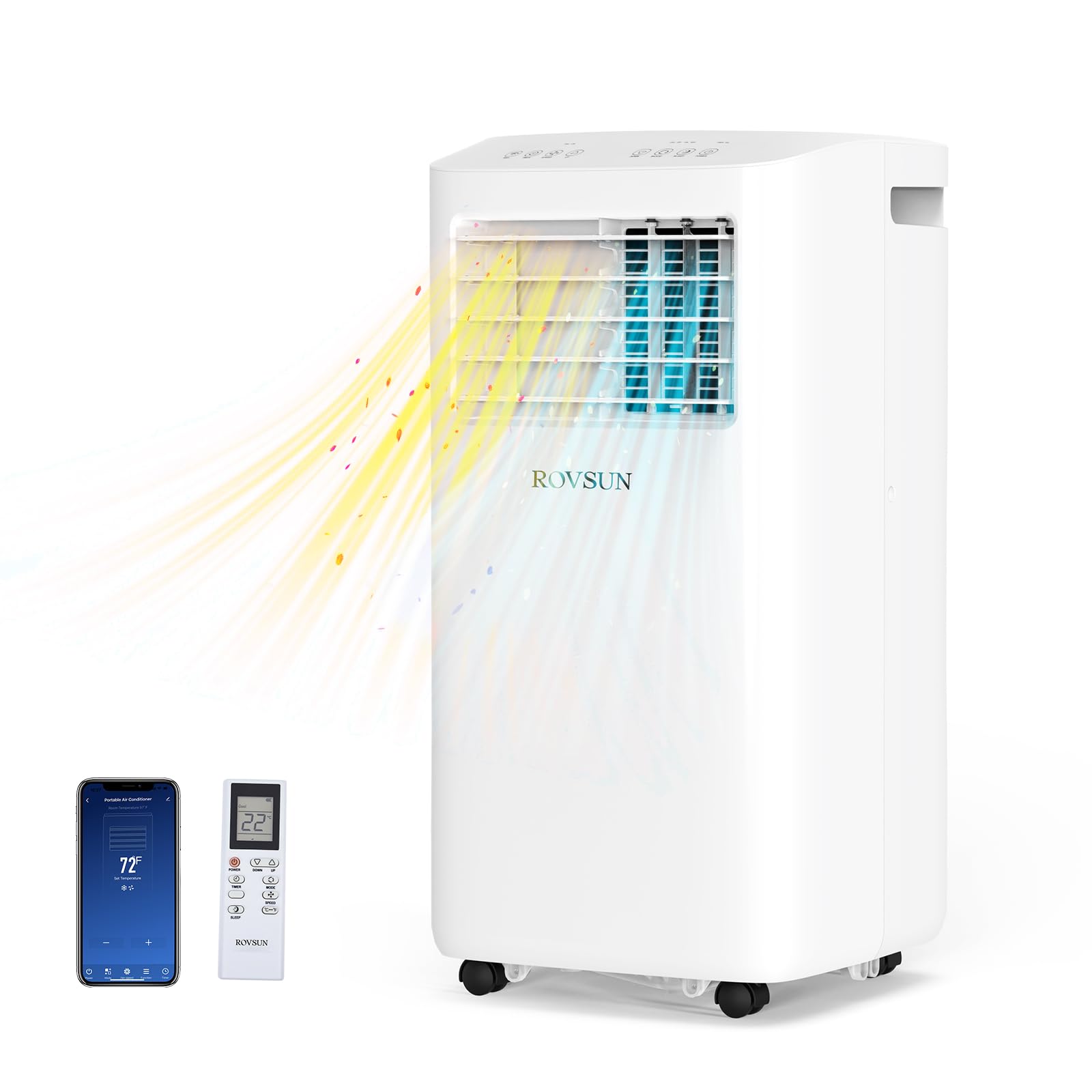
When summer heat spikes and traditional central or window AC installation isn’t an option, portable air conditioners stand out as flexible, space-saving cooling solutions. Ideal for apartments, rental homes, small offices, and temporary living spaces, these compact self-contained units turn sweltering indoor air into refreshing comfort with zero permanent renovation. But how exactly do portable air conditioners work? This guide breaks down their cooling mechanics, hose types, drainage and venting methods, maintenance tips, and pros and cons to help you use and choose them wisely.
The Core Working Principle: Basic Refrigeration Cycle
Portable air conditioners operate on the exact same refrigeration physics as refrigerators and standard home AC systems, relying on refrigerant to transfer heat indoors to the outdoors. The entire cycle runs through four core stages, supported by four essential components: compressor, condenser coil, expansion valve, and evaporator coil.
-
CompressionThe compressor, known as the heart of the portable AC, compresses low-pressure refrigerant gas. This process sharply raises the gas’s pressure and temperature, pushing the hot high-pressure gas into the condenser coil.
-
CondensationAs the hot refrigerant gas flows through the condenser coil, it releases accumulated heat into the outside air via the exhaust hose. While dissipating heat, the gas cools down and condenses into a high-pressure liquid.
-
ExpansionThe liquid refrigerant passes through the expansion valve, which rapidly lowers its pressure and temperature. The refrigerant expands instantly, turning into a cold low-pressure mist.
-
EvaporationThe cold refrigerant enters the evaporator coil inside the unit. It absorbs heat and moisture from warm indoor air as it evaporates into gas again. The cooled, dehumidified air is blown back into the room, and the refrigerant cycles back to the compressor to repeat the process nonstop.
How Portable ACs with Heat Pumps Work
Many modern portable ACs double as heaters via a heat pump function. A reversing valve switches the flow direction of refrigerant, flipping the roles of the condenser and evaporator coils. In heating mode, the unit absorbs residual heat from outdoor air even on cold days, transfers it indoors through the coil, and releases warmth to raise room temperature. This dual cooling and heating design makes portable ACs usable all year round.
Single-Hose vs. Dual-Hose Portable Air Conditioners
The biggest difference between portable AC models lies in their hose design, which directly impacts airflow balance and cooling efficiency.
Single-Hose Portable AC
A single-hose unit uses only one exhaust hose to expel hot air outdoors. It draws indoor air to cool the condenser coil before venting it out, creating negative pressure inside the room. This vacuum effect pulls warm unconditioned air from window gaps, door cracks, or adjacent rooms into the space. As a result, the compressor works harder, cooling efficiency drops, and energy consumption rises. It is best suited for small rooms and occasional short-term use.
Dual-Hose Portable AC
Dual-hose models feature two independent hoses: one draws fresh outdoor air to cool the condenser coil, and the other vents hot air outside. This design eliminates negative pressure entirely, keeping indoor airflow balanced. Without fighting incoming warm air, the unit cools faster, maintains stable room temperatures, and saves more energy. Though slightly bulkier and pricier, dual-hose portable ACs are 20–30% more efficient and perfect for larger rooms and daily long-term use.
How Do Portable Air Conditioners Drain Water?
During cooling, portable ACs extract humidity from indoor air, forming condensation inside the unit. Proper drainage is critical to prevent water overflow and mold growth. There are three common drainage methods:
-
Self-EvaporationMost mainstream portable ACs adopt self-evaporation technology. Condensed water is evaporated automatically and discharged outdoors through the exhaust hose. This method works perfectly in moderate humidity areas with no manual water emptying needed.
-
Manual DrainageIn high-humidity environments, the unit produces more condensation than it can evaporate. Excess water collects in a built-in water tank or drip tray, which needs regular manual emptying to avoid leakage.
-
Continuous DrainageFor hands-free use, you can connect an extra drainage hose to the unit. The water drains continuously to a nearby sink, floor drain, or window outside, ideal for long uninterrupted operation in humid regions.
How to Vent a Portable Air Conditioner
Venting is non-negotiable for portable AC performance—it releases the heat absorbed indoors. Without proper venting, hot air recirculates inside, making the unit fail to cool. Here are four practical venting methods:
- Window Venting: The most common and easiest option. All portable ACs come with a window sealing kit. Install the kit on the window frame, connect the exhaust hose, and hot air vents outside quickly with no permanent changes.
- Wall Venting: Install a dedicated vent hole on the wall via DIY or professional installation. It is a permanent solution for windowless rooms.
- Door Venting: Run the exhaust hose through a gap of an exterior door with a sealing plate, flexible for temporary placement.
- Ceiling Venting: Suitable for attics and lofts, venting hot air into ceiling spaces. It requires minor ceiling modifications and is less mainstream.